
The Bright Future of Solar Energy: How Solar Panels Work
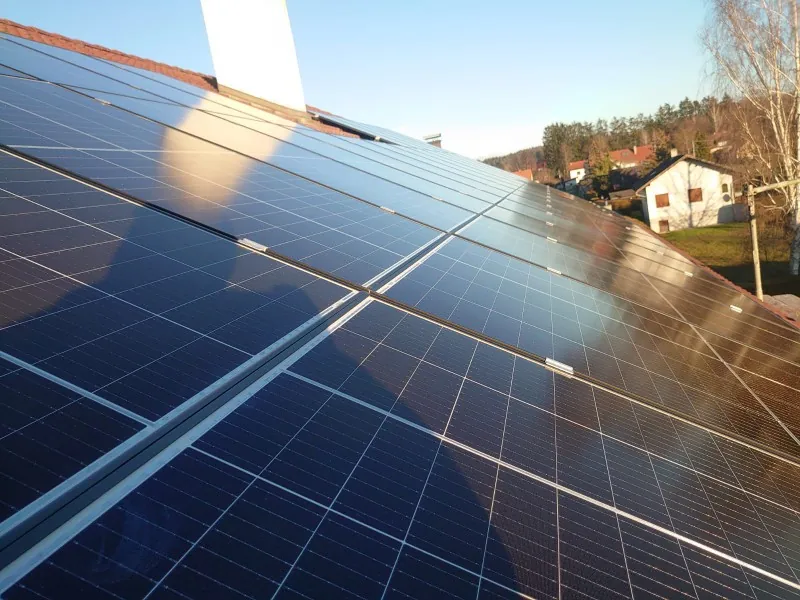
Solar energy is one of the cleanest and most abundant energy sources available on Earth, and in recent years it has been steadily gaining ground as a sustainable alternative to traditional energy sources. Solar panels are the key element in capturing this natural energy source and converting it into usable electricity. In this article, we will explore in detail how solar panels work, from capturing sunlight to producing electricity, offering a deeper look at the technology behind the bright future of solar energy.
Capturing Sunlight
The fundamental process by which solar panels work begins with capturing sunlight. Solar panels, also known as photovoltaic modules, are made up of numerous photovoltaic cells, usually made of a semiconductor material such as silicon. These cells are specially designed to interact with sunlight, harnessing the photovoltaic effect, a phenomenon that generates electricity through a complex and fascinating process.
The Photovoltaic Effect
When sunlight strikes the surface of a photovoltaic cell, it interacts with the electrons in the semiconductor material. This phenomenon is known as the "photovoltaic effect". In essence, photons from the light "strike" the electrons in the silicon, giving them enough energy to move. This process creates a flow of electric current, which is then collected and directed for use.
Converting Direct Current into Alternating Current
The electric current initially produced by photovoltaic cells is direct current, also referred to as DC. However, it is important to note that most commonly used equipment and grids operate on alternating current, abbreviated as AC. To convert DC into AC, a device called an inverter is required. It takes the direct current from the panels and converts it into alternating current, ready to be used in homes or businesses.
Monitoring and Maintenance
To guarantee optimal operation of a solar system, constant monitoring of its performance is absolutely essential. Advanced monitoring systems give owners the ability to track energy production in real time and to quickly detect any possible anomalies or problems. This practice contributes significantly to maintaining the system’s efficiency over the long term and optimising its performance.
Grid Connection or Energy Storage
There are two main ways in which solar energy can be used efficiently. One option is connecting to the electricity grid, where surplus energy generated by the panels can be fed back into the public grid. The second option involves storing energy in batteries for later use or for the night, when sunlight is not available.
Solar panels play a fundamental role in capturing sunlight and converting it into clean, sustainable and environmentally friendly electricity. With the help of these advanced technologies, solar energy is becoming increasingly accessible and efficient, paving the way towards a bright future based on green and sustainable energy sources that help reduce the negative impact on the environment.