
Solar Energy vs. Fossil Energy: What Are the Key Differences?
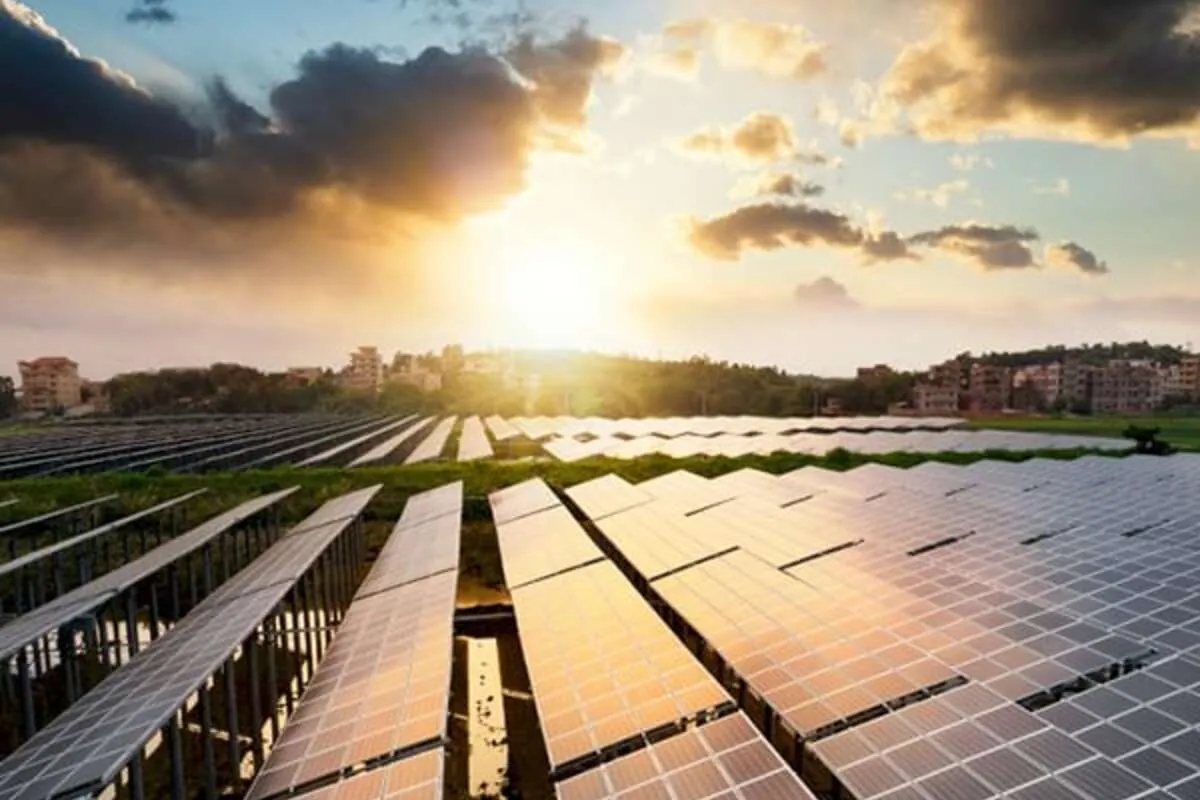
In the global fight against climate change and for a cleaner, healthier planet, green energy is becoming increasingly important. Among green energy sources, solar energy is in the spotlight thanks to its considerable advantages over traditional fossil energy. In this article, we will explore the key differences between solar energy and fossil energy to better understand why solar energy is becoming the preferred choice.
The Origin of Solar Energy and Fossil Energy
The first and most obvious way in which solar energy differs from fossil energy is its source. Solar energy relies on the light and heat emitted by the Sun, which are naturally available and inexhaustible. It is a renewable energy source, which means it never runs out. Fossil energy, on the other hand, comes from finite resources such as coal, oil and natural gas, which are extracted from the ground. These resources are depleted as they are consumed and are associated with significant greenhouse gas emissions and pollution.
Environmental Impact
Solar energy is one of the cleanest energy sources available. Solar power generation does not emit carbon dioxide (CO2) or other air pollutants, which helps reduce climate change and air pollution. In addition, no natural resources need to be extracted to produce solar energy, which protects the Earth's fragile ecosystems.
At the opposite end, fossil energy is one of the largest sources of CO2 emissions and air pollution. The extraction, transport and burning of fossil fuels release greenhouse gases, which contribute to rising global temperatures and climate change. Moreover, the process of exploiting fossil fuels can have a destructive impact on the environment, including deforestation and water pollution.
Efficiency and Sustainability
Solar energy is known for its efficiency. Modern solar panels can convert a significant amount of sunlight into electricity, and solar technologies continue to improve in this respect. This means that solar energy can be an efficient source of electricity, especially in areas with adequate sun exposure. On the other hand, the process of extracting and using fossil fuels is energy-inefficient. A large part of the energy stored in these fuels is lost as heat during production and transport, which makes fossil energy less efficient.
Another essential aspect we must highlight is long-term sustainability. Solar panels have a long lifespan, often more than 25 years, and require little maintenance. This makes them a sustainable long-term investment. Fossil fuel resources, by contrast, are limited and become depleted over time, which means fossil energy is not a sustainable long-term option.
The Costs Involved
The cost of solar energy has fallen significantly in recent years, making it more affordable for homes and businesses. With more efficient solar technologies and government incentive programmes, the cost of installing solar panels has become more accessible. Moreover, the long-term savings on energy bills can exceed the initial investment in solar panels. In contrast, the costs of fossil energy can vary significantly due to fluctuations in fossil fuel prices and global demand. Dependence on finite resources can lead to rising costs as these resources become scarcer.
The key differences between solar energy and fossil energy reflect a significant global shift towards cleaner and more sustainable energy sources. With its advantages in terms of the environment, efficiency and sustainability, solar energy is increasingly becoming the preferred choice for those who want to reduce their environmental impact and save money in the long run.
While we have discussed these key differences, it is important to stress that the transition to solar energy is a complex process that depends on several factors, including geographical location, available infrastructure and financial resources. Nevertheless, in light of its clear benefits, solar energy remains a promising choice for a greener and cleaner future.