
Innovations in Solar Panel Technology: What the Future Holds for Solar Energy
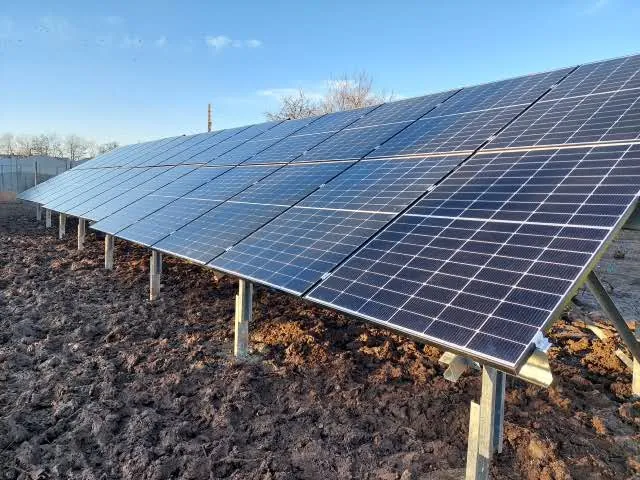
Today, solar panel technology is evolving at an accelerated pace, making it an increasingly efficient and affordable option for generating green energy. Recent innovations in this field hold significant promise for the outlook of solar energy and are helping to drive the transition to a greener, more sustainable and environmentally friendly energy source.
High-Efficiency Photovoltaic Cells
One of the most notable advances in solar panel technology is the development of high-efficiency photovoltaic cells. These cells use new materials and technologies to convert solar energy into electricity more efficiently. A notable example is perovskite photovoltaic cell technology, which promises higher efficiency and lower production costs. These innovations allow solar panels to generate more energy per unit area, leading to a higher return on investment.
Transparent Solar Panels
Transparent solar panels are another significant innovation in the solar energy industry. They can be integrated into buildings and windows, allowing users to harness solar energy without compromising aesthetic design or functionality. Developers are working to make these panels as efficient and attractive as possible, opening the door to their integration into residential and commercial buildings.
Quantum Technology: A Technological Leap
Another rapidly developing field is the application of quantum technology to photovoltaic cells.By harnessing quantum phenomena, researchers have achieved remarkable results in solar conversion efficiency. This innovation has the capacity to significantly increase the efficiency of solar panels, with the potential to democratise solar energy even further and make it accessible to a wider range of users.
Solar Energy Storage
Alongside innovations in solar panel technology, the development of solar energy storage technologies is equally important. High-capacity solar batteries are becoming more efficient and more affordable, allowing consumers to store the surplus energy generated by their solar panels and use it when the sun is not shining. This addresses one of the main challenges of solar energy: intermittency.
Integration of Artificial Intelligence
Artificial intelligence (AI) has also entered the solar energy scene. Using AI to monitor and optimise the performance of solar panels and of the entire photovoltaic system has become common practice. It allows solar system owners to achieve the best results by adjusting operating parameters in real time and anticipating potential problems.
Impact on the Economy and the Environment
Innovations in solar panel technology bring not only technical advantages but also economic and environmental ones. Higher efficiency and lower production costs make solar energy more accessible to more people and businesses. In addition, the use of solar energy helps reduce carbon emissions and the carbon footprint, with a significant impact on the environment.
Innovations in solar panel technology represent an important step towards a cleaner, more sustainable world. With improved efficiencies, transparent solar panels and the use of quantum technology, the future of solar energy looks promising. These technological advances open up new opportunities for producing and using green energy and bring us closer to our goals of reducing environmental impact and creating a better world for future generations.